Welcome to GWE Biogas
Environmentally friendly food waste destruction
We take food waste from across the UK and convert it into green energy in the form of biogas and electricity. Over the course of a year, we create enough electricity to power 4,000 homes, making our plant an important part of the UK’s renewable energy mix. We operate a ‘zero waste to landfill’ operation, meaning all the packaging and other materials the food waste arrives in gets disposed of in an environmentally sustainable way. GWE Biogas was established in 2008, near Driffield in East Yorkshire, and operates one of the largest and most technically advanced Anaerobic Digester (AD) sites in the UK.
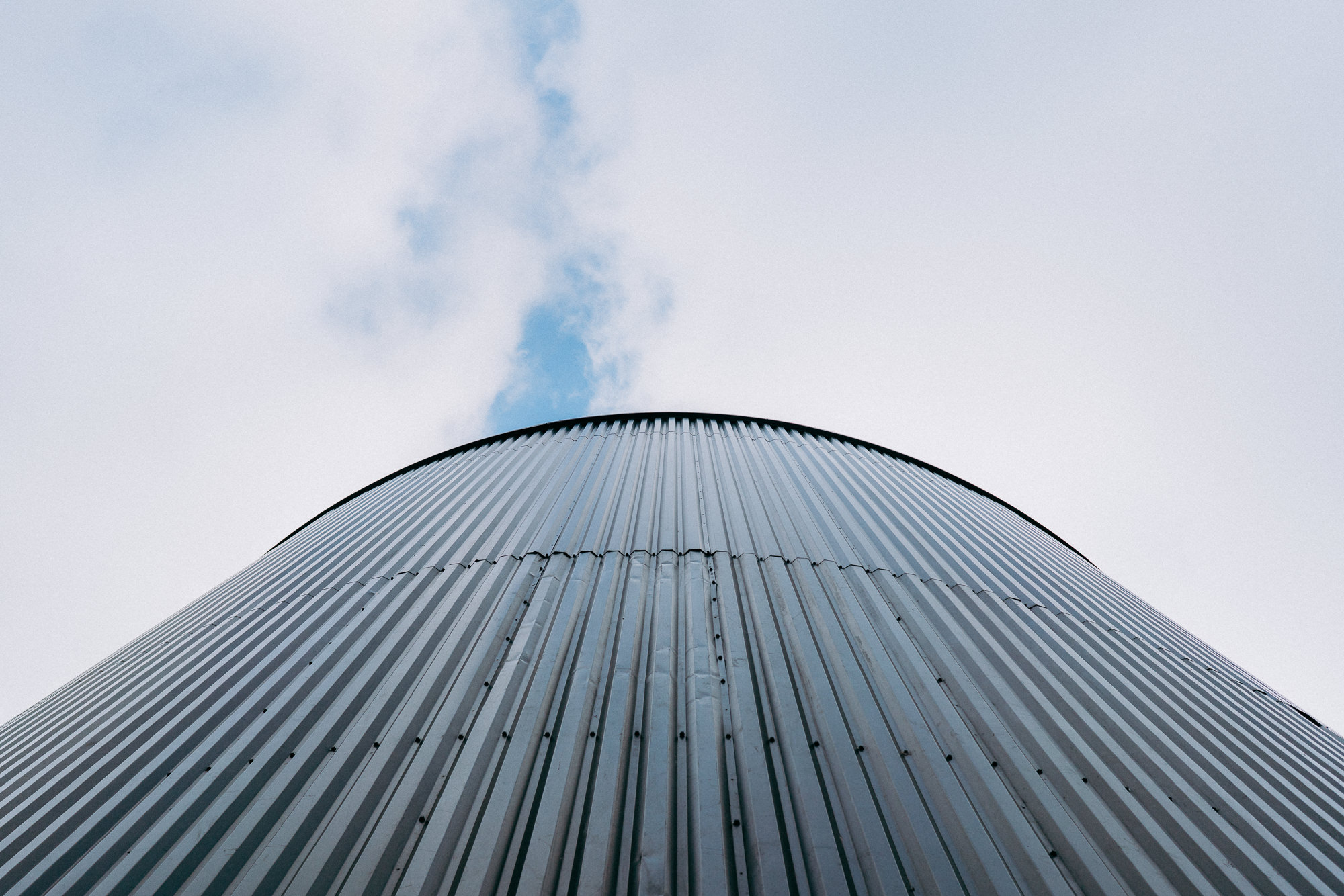
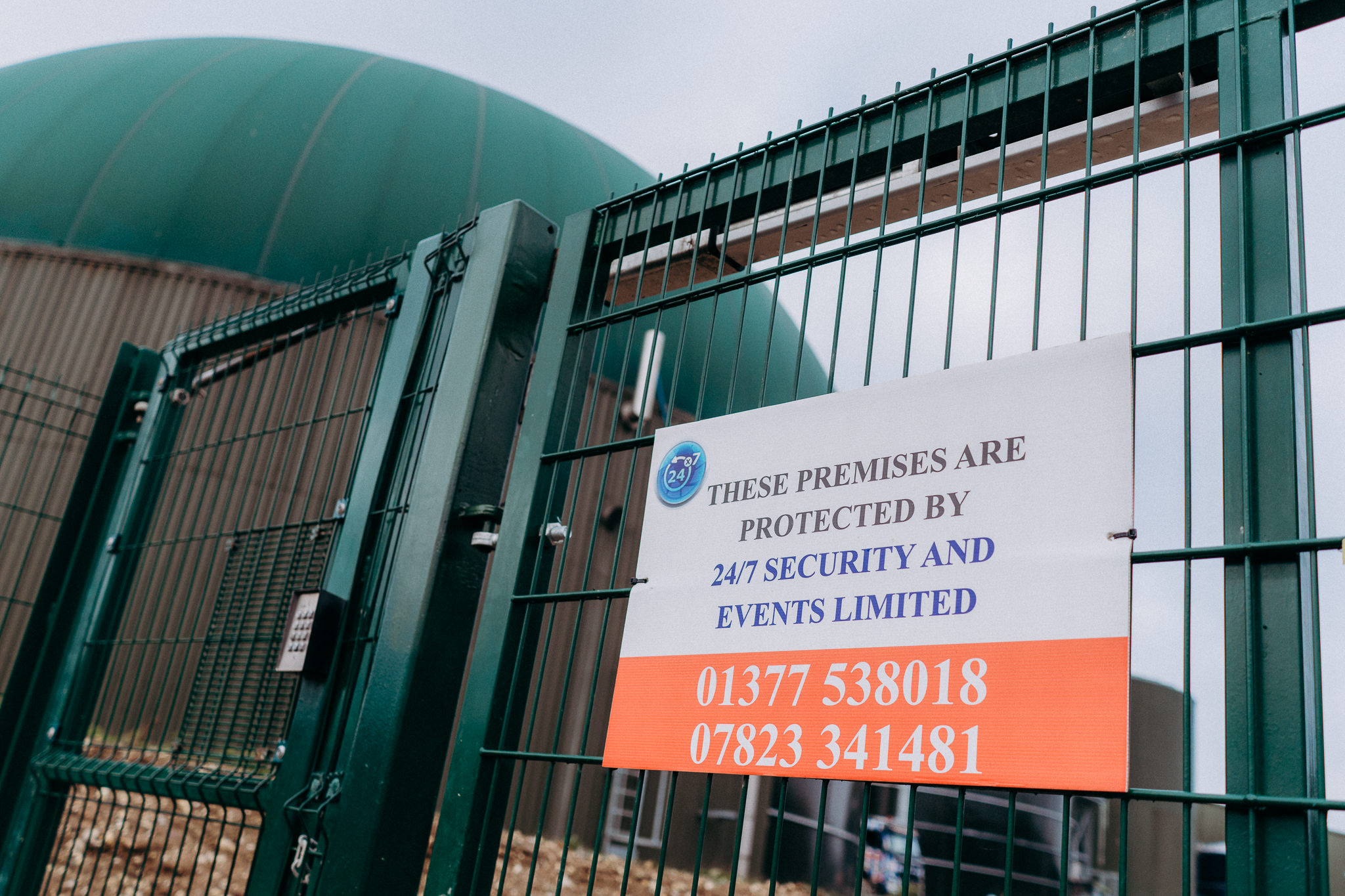
Fully secure and safe site
Zero waste to landfill
Full certification of destruction
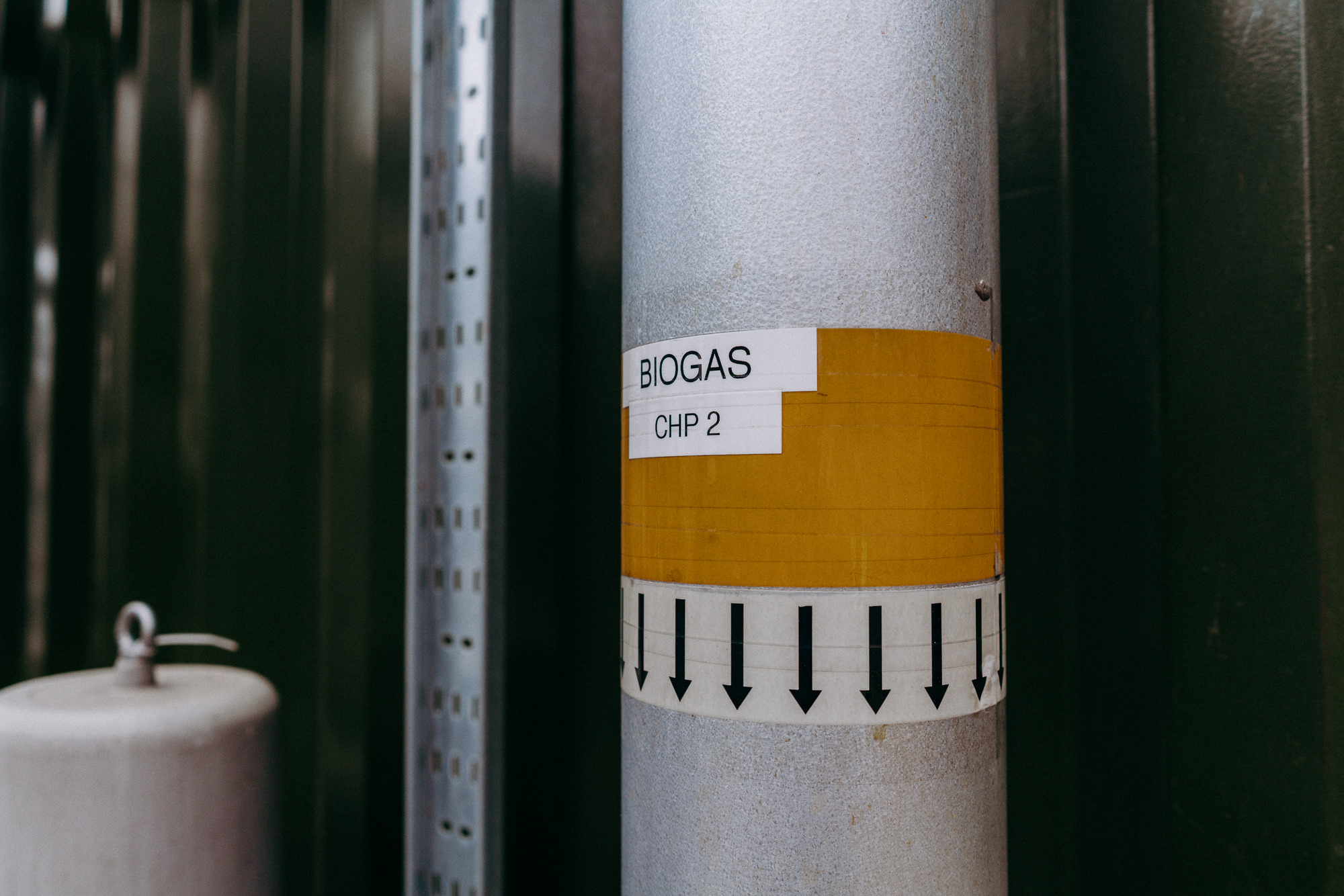
About anaerobic digestion
How we use anaerobic digestion to destroy all of your food waste in the most environmentally friendly way by converting it into renewable biogas and biofertiliser.
All-in-one solutions
We tailored a solution for a national food manufacturer to manage all food waste and recycling needs. We streamlined their operations and saved money

Next day collection across UK
We offer a full-service logistics solution that enables us to collect food waste from anywhere in the UK, which led to a deal with a national food supplier
Our permits and certificates
GWE Biogas turns your food waste into green energy. To do that, we have conform to certain regulations so here are all our necessary permits and certificates